Lizzy Williams walked the popular Otter Trail in South Africa. She is a high-class traveler who has published several travel guides, in particular, Zimbabwe, Tanzania, Uganda, Kenya, Namibia.
The trail itself includes many picturesque beach and forest areas. The trek takes 5 days and guarantees a chic visiting experience, especially for all lovers of wildlife.
Cape
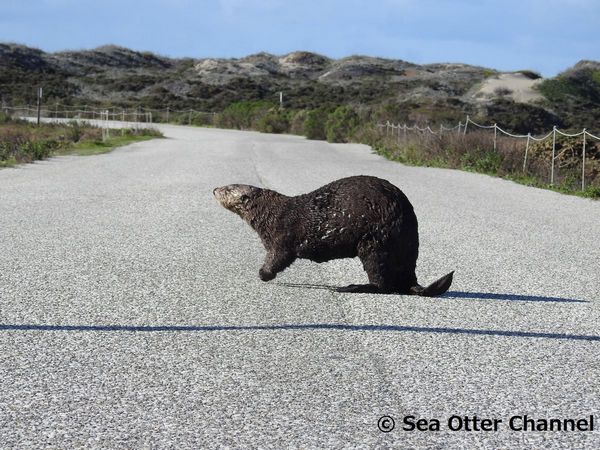
This is one of the best relaxing itineraries for the average traveler in South Africa. If you have no claims to extreme sports, you should definitely take a walk along the cape, which was named after the clawless otter. These pretty animals often appear along the trail, especially in the late afternoon, when they come to hunt for marine life. By the way, they thrive here, as they are in complete safety, under the reliable protection of the rangers of the Tsitsikamma Reserve.
Trail
The route starts from the mouth of the Storms and ends at the wild valley in the west of the starting point. In a straight line on the map, this is only 26 km, but in fact, the curves of the terrain turn them into 42, especially taking into account walking. This is a relatively flat section of the path, which in some places reaches 150 m above sea level.
It is worth considering that the association SANParks of the country’s parks closely monitors the condition and attendance of the trail. This is due to the great popularity, both among the local population and visitors. To reduce environmental damage from cruising pilgrims, the park management allows no more than 12 people to travel daily.
The degree of preparation implies the ability to walk at least 14 kilometers daily on dirt roads and wild trails. Such a rhythm is available to everyone in a normal physical condition, aged 12-65 years. The passage runs between several strongholds equipped with log cabins for overnight stays. They are equipped with beds with mattresses, firewood is brought in, and the lulling sound of the surf is a gift!
Attention: for the hike you will need a standard set of equipment, tents and bedding, supplies.
The hike consists of quite simple segments even for beginners. However, some sections pass through rough terrain with a large elevation difference. A special relish for the transition is given by 11 rivers that must be crossed by fording or by boat. In such places there are many large boulders and it is quite difficult to pass, but even with minimal training, a person will cope.
On the way, desert landscapes are accompanied, which are replaced by beaches with azure waves, rocks, forests and plains, painted with flowers. You can get acquainted with dozens of representatives of the local fauna, ranging from insects to dolphins.
When to go?
The trail is accessible all year round, but in spring and summer (April-October) it is covered with flowers, and you can swim along the way. It is important to know the tide schedule when hiking, as it is unwise to cross the river when it is overflowing.